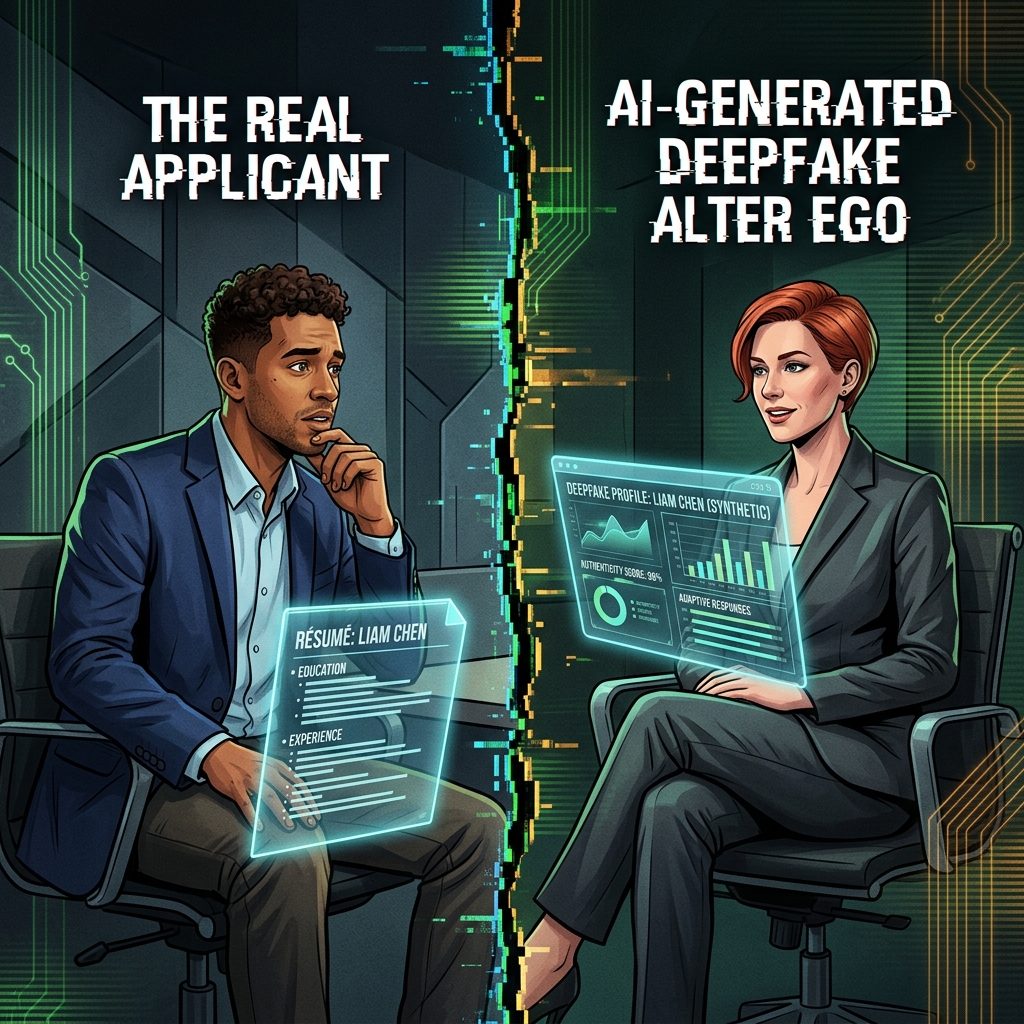
What was once a fringe cybersecurity concern has become a structural crisis in hiring: deepfake candidates using AI-generated resumes, synthetic LinkedIn profiles, and real-time video/voice-swapping technology to infiltrate companies during interviews. Industry forecasts now suggest that by 2028, one in four candidate profiles could be fake.
The Anatomy of Deepfake Hiring Fraud
Modern deepfake candidates deploy a sophisticated toolkit:
| Attack Vector | Description |
|---|---|
| AI-Generated Resumes | Fabricated credentials, work history, and skill sets |
| Synthetic LinkedIn Profiles | Complete professional identities with AI-generated headshots |
| Real-Time Voice Swapping | Live audio deepfakes during phone and video interviews |
| Video Face Swapping | Real-time facial synthesis during video calls |
| Credential Fabrication | Fake certifications, degrees, and GitHub contributions |
Who’s Behind It
The motivations vary widely — and some are far more dangerous than resume padding:
- Individual Job Seekers: Using AI to enhance qualifications beyond their actual skills
- Organized Fraud Rings: Professional operations creating multiple fake identities for financial gain
- State-Backed Actors: Government-sponsored campaigns to infiltrate companies, access sensitive data, or install malware
- Corporate Espionage: Competitors placing agents inside target organizations
The Corporate Response
Companies are fighting back with increasingly aggressive countermeasures:
The Return of In-Person Interviews
Major corporations have quietly reintroduced mandatory in-person interview rounds — a dramatic reversal from the pandemic-era remote-first hiring model. This shift disproportionately impacts legitimate remote workers and global talent pipelines.
Hiring as Security
Organizations are now treating recruitment as an extension of their security perimeter:
- Early-stage identity verification: Moving ID checks to the very beginning of the pipeline
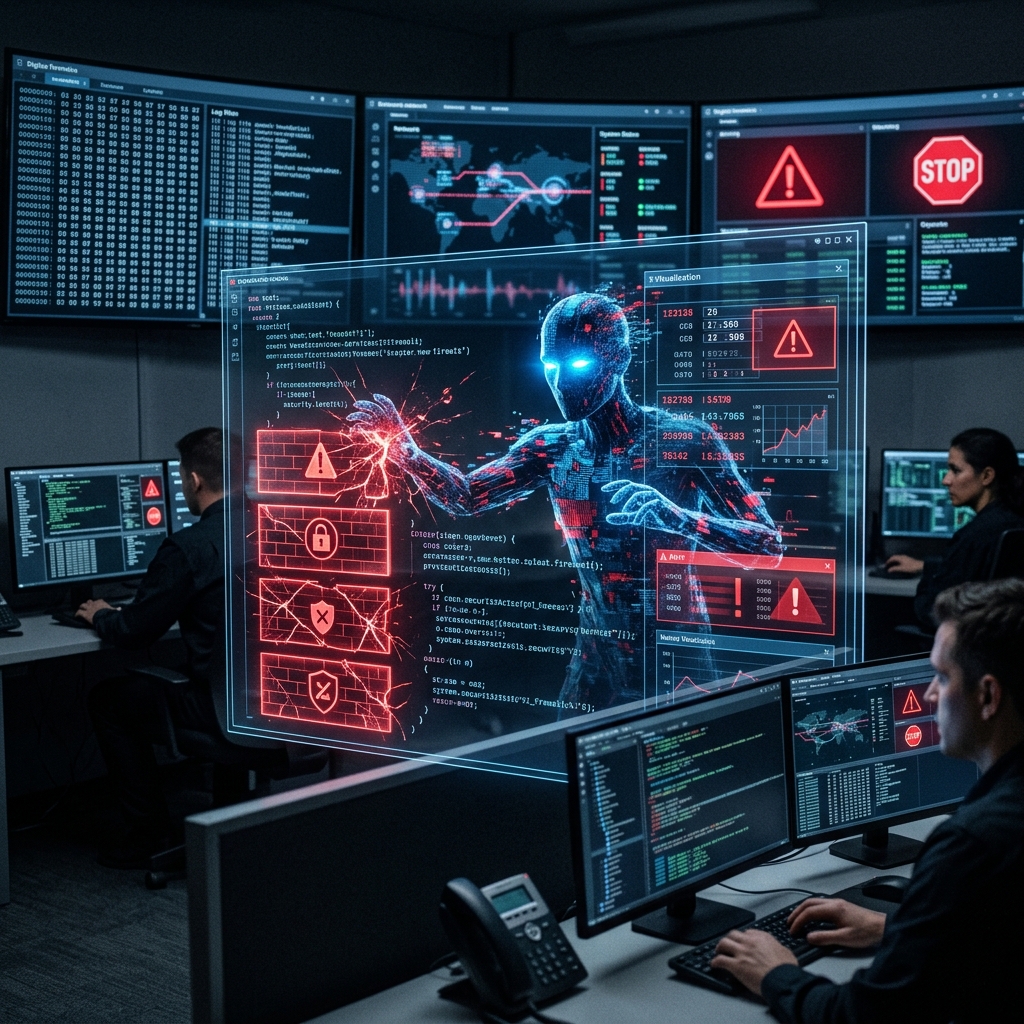
- AI-powered deepfake detection: Deploying specialized tools to identify synthetic media during interviews
- Adversarial awareness training: Teaching recruiters to spot behavioral and visual deepfake indicators
Increased Friction for Everyone
The collateral damage is significant. Honest job seekers face:
- Longer hiring cycles
- More invasive verification processes
- Multiple rounds of identity confirmation
- Reduced acceptance of remote interviews
The Legal Minefield
Employers face a complex dual risk:
- Negligent hiring liability: If a fake candidate commits fraud or a crime after being hired
- Anti-discrimination compliance: Verification tools must be bias-tested to avoid violating employment laws
- Privacy regulations: Biometric screening during interviews raises data protection concerns
Why It Matters
The deepfake candidate crisis is creating an arms race between AI-powered fraud and AI-powered detection. Each advancement in synthetic media capabilities is met with new detection tools — but the detection side is consistently playing catch-up.
For the broader labor market, this crisis threatens to erode the trust-based foundations of professional hiring, increase costs for both employers and candidates, and potentially reverse years of progress toward remote and inclusive hiring practices.
Source: The Hacker News, The Interview Guys, Bradley, Metaview