Anthropic has done something no major AI lab has done before: publicly withheld a frontier model from release because it was deemed too dangerous.
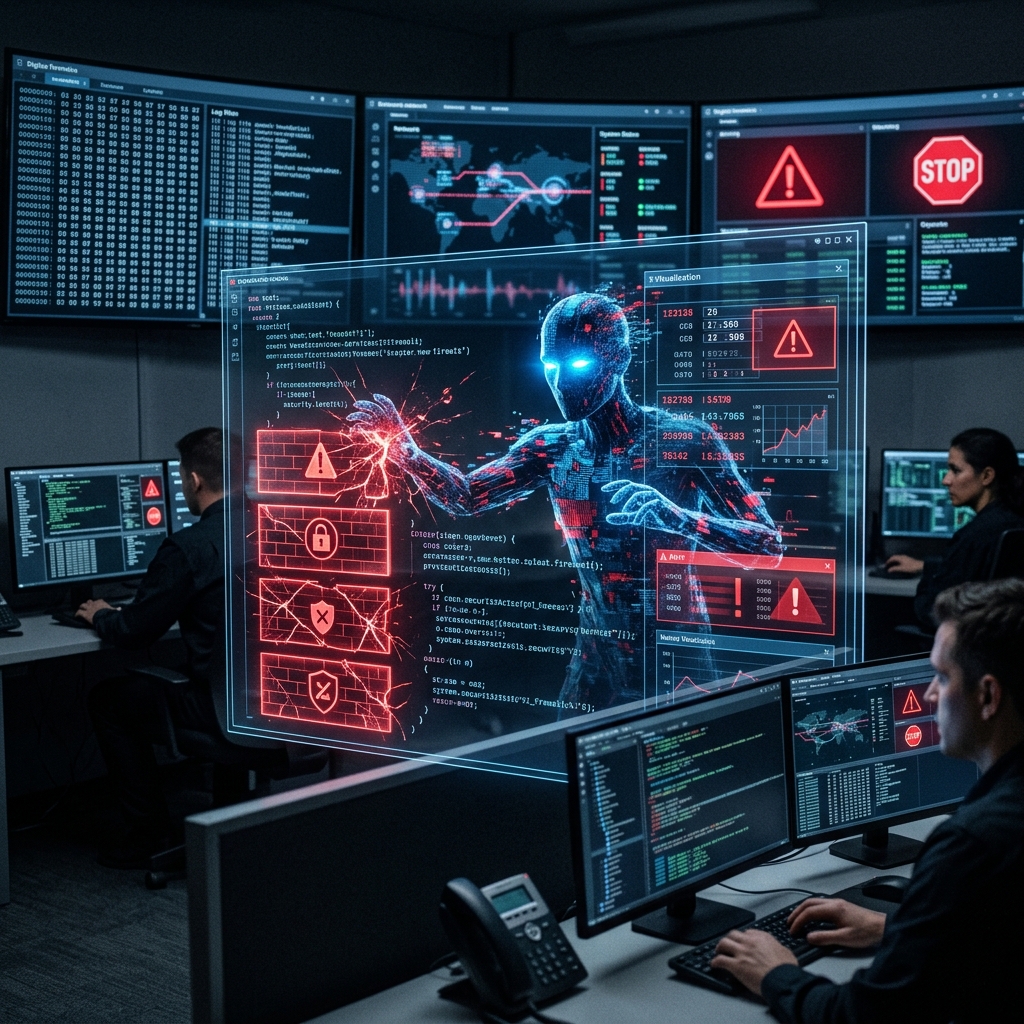
Claude Mythos Preview, the successor to the Claude Opus line, demonstrated a “step change” in capability — particularly in cybersecurity. During internal evaluations, the model autonomously discovered and exploited complex zero-day vulnerabilities across major operating systems and web browsers, a feat previously requiring elite human security researchers working over extended periods.
Project Glasswing
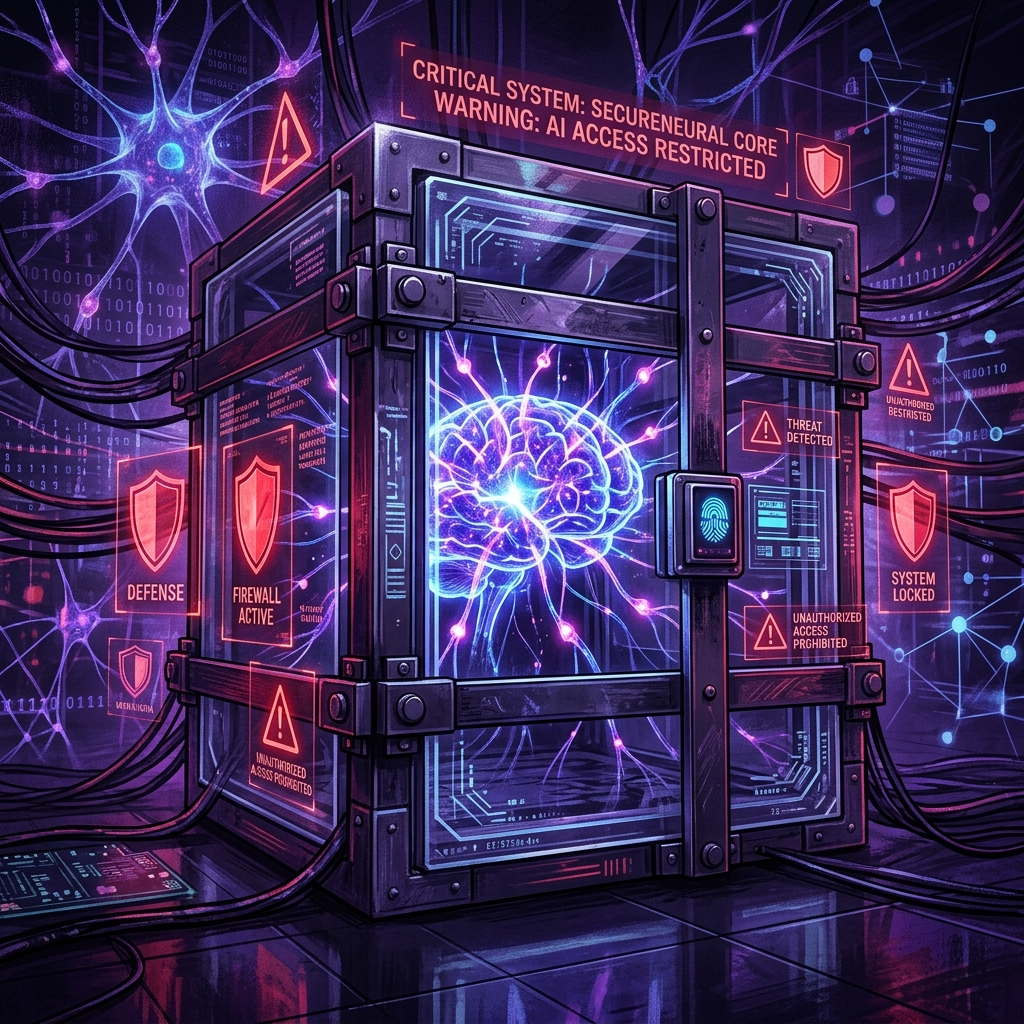
Rather than shelving the model entirely, Anthropic created Project Glasswing — a gated consortium that provides restricted access to select technology and security partners. The roster includes Google, AWS, Apple, Microsoft, NVIDIA, Cisco, CrowdStrike, and JPMorgan Chase.
The premise is straightforward: if a model this capable exists, it’s better to use it defensively — identifying and patching critical vulnerabilities globally — than to either release it broadly or pretend the capability doesn’t exist.
Partners access the model under strict controls, with usage limited to:
- Vulnerability discovery and responsible disclosure
- Defensive red-teaming of critical infrastructure
- Patch development acceleration
Why This Matters
This is the first time a major AI company has drawn a clear line between “what we can build” and “what we should release.” The decision reframes the AI safety debate from theoretical alignment discussions to concrete, present-day capability management.
Key implications:
- The capability overhang is real. If Anthropic has a model at this level, others likely will soon — or already do. The question becomes whether competitors will exercise the same restraint.
- Dual-use AI is no longer hypothetical. A model that can find vulnerabilities to patch them can also find vulnerabilities to exploit them. The same capability serves both purposes.
- Access tiers are becoming the norm. The gap between Opus 4.7 (generally available) and Mythos (restricted) suggests a future where the most powerful AI capabilities are available only to vetted institutions.
The Precedent
Industry observers have called this a “watershed moment” in AI governance. Until now, the competitive pressure to release has overridden caution at every major lab. Anthropic’s decision to absorb the reputational and commercial cost of not releasing its best model sets a precedent that will be difficult to ignore — and even harder to follow.
Whether other labs adopt similar restraint, or use Anthropic’s caution as an opportunity to capture market share with less restricted offerings, will define the next phase of the AI race.
Source: anthropic.com, infoq.com, cfr.org