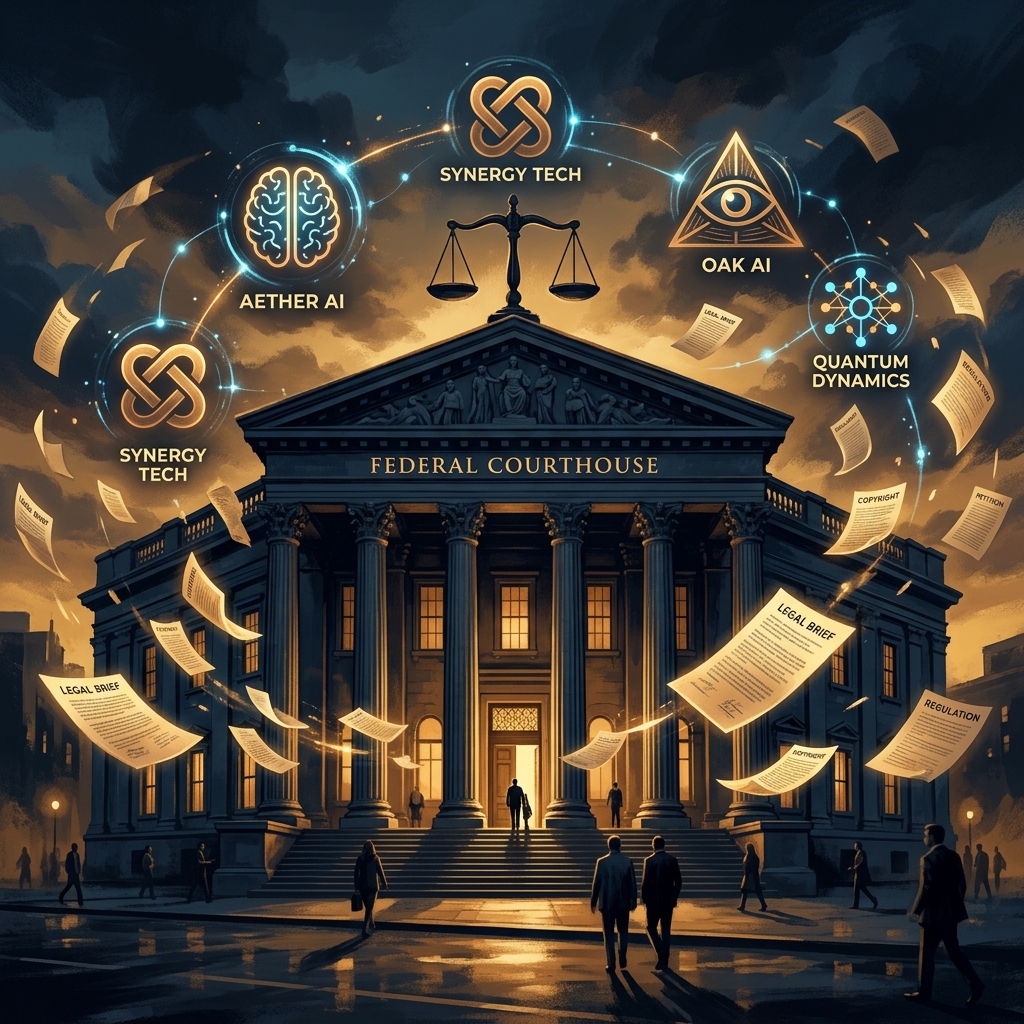
The legal battle over the soul of OpenAI enters its most consequential phase this week, as Elon Musk’s lawsuit against the company and its partnership with Microsoft reaches a critical evidentiary hearing in San Francisco federal court.
The Core Dispute
Musk’s lawsuit, originally filed in early 2024 and since expanded, alleges that OpenAI violated its founding charter by:
- Transitioning to a for-profit structure that prioritizes shareholder returns over the original nonprofit mission of developing AI “for the benefit of humanity”
- Granting Microsoft disproportionate commercial access to OpenAI’s technology through exclusive licensing arrangements
- Breaching fiduciary duties owed to the founding team and original donors who contributed under the understanding that OpenAI would remain a nonprofit research organization
Microsoft’s Evolving Role
The hearing comes at a particularly sensitive moment. Reports indicate that OpenAI has been moving away from its exclusive partnership with Microsoft, diversifying its cloud infrastructure and commercial relationships. This shift, while strategically sound for OpenAI, complicates the legal landscape — Microsoft’s $13 billion investment was predicated on a level of exclusivity that may no longer exist.
Microsoft, for its part, has been building out its own AI model capabilities through the MAI (Microsoft AI) initiative, reducing its dependency on OpenAI’s models for key products like Copilot.
What’s at Stake
This hearing will determine what internal documents and communications the court will admit as evidence. The materials could reveal:
- How decisions were made to transition from nonprofit to for-profit
- What promises were made to early backers and donors
- The extent of Microsoft’s influence over OpenAI’s strategic direction
- Internal deliberations about balancing safety commitments with commercial pressure
Industry Implications
Regardless of the legal outcome, the case has already reshaped how the industry thinks about AI governance structures. The lesson emerging from OpenAI’s transformation is clear: the organizational structure you choose at founding has long-lasting consequences, and converting a nonprofit AI lab into a for-profit enterprise creates legal, ethical, and reputational risks that persist for years.
Source: ibj.com, nytimes.com