The most consequential corporate merger of the AI era is now official. SpaceX has acquired xAI in an all-stock transaction, valuing SpaceX at $1 trillion and xAI at $250 billion. The combined entity — operating with xAI as a wholly owned subsidiary — is valued at approximately $1.25 trillion.
The Strategic Logic
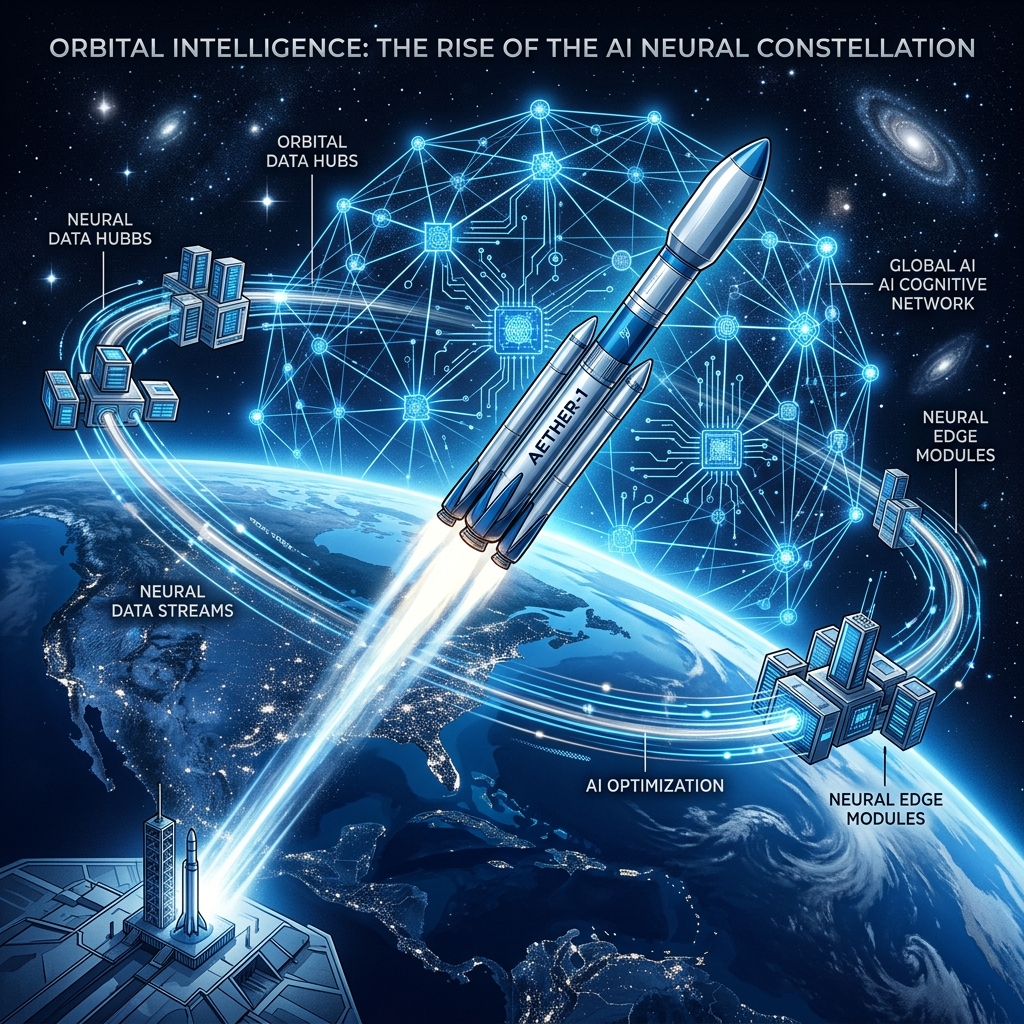
The merger creates something that doesn’t exist anywhere else in the industry: a company that controls both the AI compute layer and the orbital infrastructure to power it.
SpaceX’s stated plan is to develop space-based data centers that leverage:
- Unlimited solar energy — no grid constraints, no power purchase agreements
- Orbital cooling — the vacuum of space as a natural heat sink
- Starlink connectivity — direct low-latency links between orbital compute and ground users
If this sounds like science fiction, consider that SpaceX already operates the world’s largest satellite constellation and has the most reliable heavy-lift launch capability on the planet. The infrastructure to make this real is closer than it appears.
The IPO Clock Is Ticking
Following the acquisition, SpaceX has been preparing for a massive initial public offering. Reports indicate confidential filings with the SEC are already underway, with a target debut in summer 2026. The anticipated valuation range: $1.75 trillion to $2 trillion.
If it goes through at the upper end, SpaceX would instantly become one of the five most valuable public companies on Earth — and the only one that primarily operates outside of it.
Industry Implications
The xAI acquisition reshapes competitive dynamics across multiple industries:
- AI infrastructure: A company that can build its own data centers in orbit doesn’t compete for terrestrial power and land. It sidesteps the bottleneck entirely.
- Talent: xAI underwent post-acquisition restructuring, including layoffs and leadership changes. The integration of two distinct engineering cultures at this scale is a significant operational challenge.
- Regulation: A trillion-dollar entity spanning AI, space, telecommunications, and now potentially public markets will attract regulatory scrutiny from multiple jurisdictions simultaneously.
The Bigger Picture
This merger represents the logical extreme of vertical integration in AI: if compute is the constraint, own the power source. If bandwidth is the constraint, own the network. If launch costs are the constraint, own the rockets.
No other company — not Google, not Microsoft, not Amazon — can replicate this stack. Whether that proves to be an unassailable advantage or an overextended empire will be one of the defining business stories of the decade.
Source: spacex.com, 247wallst.com, wikipedia.org